

Whether you work with letting agents in Ilford, independently manage your rental property, or handle your own tenancies, understanding your legal repair obligations is one of the most critical aspects of being a landlord in London. Across the capital — from bustling east London neighbourhoods to quieter suburban streets — landlords are bound by law to ensure their properties are safe, habitable, and well-maintained. Yet the line between what a landlord must fix and what falls to the tenant is not always obvious. Some repairs are clearly set out in legislation, while others depend on the specific terms of the tenancy agreement. Landlords working with letting agents in Newbury Park can benefit from professional support when managing repair responsibilities and staying compliant with ever-changing rental regulations. Keeping your property properly maintained is essential for protecting both your tenants and your long-term investment. This guide breaks down everything you need to know, including the upcoming legal changes that will affect every private landlord in England.
What Landlords Are Legally Required to Repair
Under Section 11 of the Landlord and Tenant Act 1985, landlords have a clear and enforceable duty to maintain and repair the following:
- All electrical installations and lighting systems
- Gas supply infrastructure, including the boiler, pipework, and radiators
- Sanitary fittings such as baths, basins, sinks, and toilets
- Gutters, drainpipes, and external water drainage systems
- The structure and exterior of the property, including walls, roof, and windows
- Any fixtures and fittings supplied by the landlord as part of the tenancy

Once repairs are carried out, the landlord is also responsible for restoring any decoration affected by the works — for example, repainting a wall that was opened up to access pipework. This obligation to make good continues regardless of whether the tenant is in rent arrears. A landlord cannot withhold repairs as leverage over unpaid rent; the legal duty remains fully in force.
It is also worth noting that kitchen appliances — such as ovens, washing machines, or dishwashers — may fall under the landlord’s repair responsibilities, but only if they are listed in the tenancy agreement. Landlords should review their agreements carefully and ensure appliances are clearly referenced if they wish to include or exclude them.
Health and Safety: A Landlord’s Broader Duty
Beyond structural repairs, a change in the law introduced in March 2019 extended landlord obligations significantly. Landlords are now required to keep their properties fit for human habitation throughout the duration of the tenancy — not just at the start. This means that a landlord cannot simply block off a damp room and consider the matter resolved. If the issue affects the tenant’s ability to use any part of the property, it must be addressed.
Damp and Mould
Damp and mould are among the most common complaints in London rental properties, and they carry genuine health risks — particularly for children, the elderly, and those with respiratory conditions. Under current legislation, landlords must act promptly when damp or mould is discovered. New rules being introduced through Awaab’s Law will go further, requiring landlords to investigate and begin remedial works within strict statutory time frames depending on the severity of the hazard.
Vermin and Pest Control
Landlords must ensure the property is structurally sound enough to prevent pests from entering — sealing gaps, cracks, or holes that could serve as entry points. However, if a minor infestation arises due to the tenant’s lifestyle, such as leaving food exposed or failing to dispose of waste properly, the responsibility for dealing with it shifts to the tenant.
Gas Safety
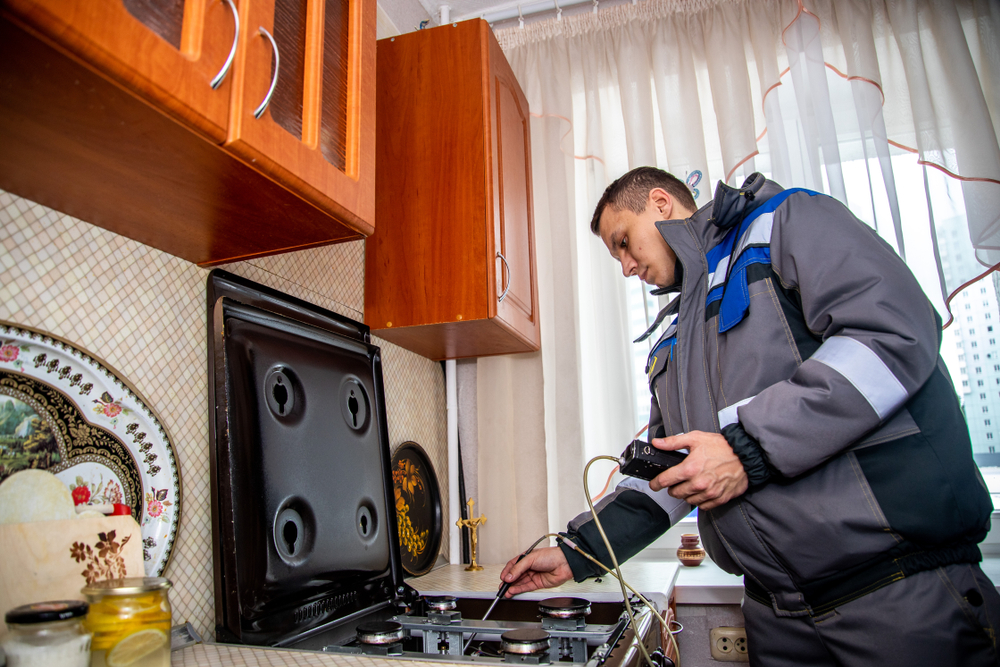
Every landlord must arrange an annual gas safety inspection carried out by a Gas Safe registered engineer. This covers the gas supply, boiler, and all connected appliances. The resulting Gas Safety Certificate must be provided to tenants and kept on record. Failure to comply is not just a civil matter — it is a criminal offence.
Electrical Safety
Since 1 April 2021, all private landlords in England are required to obtain an Electrical Installation Condition Report (EICR) for their rental properties. Inspections must be conducted by a qualified electrician and repeated at intervals of no more than five years. The report must be shared with tenants and retained for inspections. While Portable Appliance Testing (PAT) is not a statutory requirement, it is widely considered best practice and may support landlords in demonstrating due diligence.
Common Areas in Multi-Unit Properties
For landlords who own flats within a larger building, or who manage Houses in Multiple Occupation (HMOs), responsibility extends to all shared areas. This includes entrance halls, staircases, lifts, corridors, shared kitchens, and bathrooms. Landlords must ensure these spaces are clean, safe, well-lit, and free from hazards. In HMOs specifically, landlords must also supply sufficient waste bins, maintain fire doors, and keep all escape routes unobstructed at all times.
How Quickly Must Landlords Act?
There is currently no single statutory deadline for all types of repairs, but the law requires work to be completed within a “reasonable” time frame — and what counts as reasonable varies with urgency. Emergency repairs such as a burst pipe, loss of heating in winter, or a faulty boiler should be addressed within 24 hours. The Renters’ Rights Act’s Decent Homes Standard and Awaab’s Law are bringing greater clarity, with specific time frames being introduced for health and safety hazards: emergency cases within 24 hours, non-emergency complaints investigated within 10 days, and remedial works beginning no more than 5 days after that.
What Tenants Are Responsible For
Tenants are expected to treat the property in a “tenant-like manner.” This means carrying out minor maintenance tasks — replacing light bulbs, testing smoke alarm batteries, and keeping the property reasonably clean. Tenants must also report problems to their landlord promptly and in writing, ideally by email, so there is a clear record. They are not liable for normal wear and tear, but they are responsible for any damage they or their guests cause — whether accidental or deliberate. Landlords are entitled to deduct the cost of such damage from the tenancy deposit at the end of the tenancy.
Tenants must also allow reasonable access for the landlord to carry out inspections or repairs, provided at least 24 hours’ written notice is given. In genuine emergencies, such as a flood or fire, a landlord may enter without prior notice.
Final Thoughts
Navigating repair responsibilities doesn’t have to be complicated when you have the right support. Whether you are a landlord working alongside letting agents or managing your own portfolio, staying informed about your legal obligations protects your investment, your reputation, and your tenants’ wellbeing. If you need expert guidance on property management across east or south London, speak to a qualified local letting agent who can help you stay fully compliant.
You might be also interested in exploring…
- Is Your Home Ready for Spring? 10 Simple Makeover Tips for Homeowners
- What First-Time Buyers Need to Know Before Starting a Property Search in Ilford?
- Why Constructive Feedback Matters When Selling Your Home
- How to Market Your Property for Sale to Get Maximum Exposure
- Buy First or Sell First? A Local’s Guide for Homeowners in Ilford and Surrounding Areas
If you are looking to buy, sell or rent a property in Ilford, explore our latest listings below.
For more details or to book a free property valuation, contact our team today — our property experts are here to guide you through every step of your property journey.
Call us at 020 3972 7341 or email info@oaklandestates.co.uk.
Don’t forget to follow our socials for the latest property market advice and listings:
https://www.facebook.com/Oakland-Estates-1426149597689066/?fref=ts